
www.auto-innovations.net
20
'24
Written on Modified on
How will power electronics empower the future of mobility
Cummins is advancing power electronics to improve energy consumption and vehicle range. These refinements enable commercial vehicles to travel farther, charge faster, and use energy more efficiently.
www.cummins.com
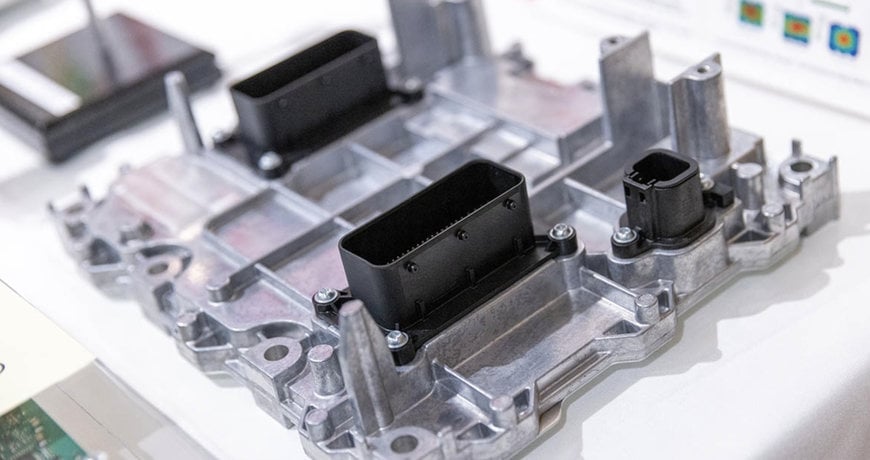
As alternative fuels and vehicle technologies gain traction, the role of components within these technologies is evolving. In battery electric vehicles (BEVs), power electronic components are critical to vehicle functionality and efficiency. Understanding their impact and potential is essential for businesses adopting BEVs or navigating the future of sustainable transportation.
Power electronics and their role in BEVs
The core of a BEV is its high-capacity battery pack, which powers the electric motor. Unlike gasoline engines, BEVs convert electrical energy directly into mechanical energy with high efficiency and low emissions, enabling smooth, quiet operation and rapid acceleration. With fewer moving parts than diesel vehicles, BEV drivetrains are simpler, requiring less maintenance and reducing mechanical downtime.
Power electronics include components that convert and control electric power in BEVs to ensure optimal performance and driving experience. A key example is the electronic control module (ECM), which functions similarly in diesel and hydrogen fuel cell vehicles. Acting as the command center, power electronics manage electricity flow between the battery, motor, and other systems, converting stored energy into the precise forms needed for propulsion and auxiliary systems.
In BEVs, power electronics enable instant torque and responsive acceleration through components like inverters, converters, and controllers. These systems handle high voltage and current demands while safeguarding against power fluctuations, critical for battery longevity and vehicle safety.
Beyond functionality, power electronics support the broader goal of reducing emissions. By efficiently managing power, they help BEVs travel farther on a single charge, minimize energy waste, and promote sustainable transportation.
Integration of power electronics in hybrid and BEVs
Power electronics are vital in hybrid and BEVs, managing electrical flow to optimize performance and extend battery life. They convert the battery's Direct Current (DC) to Alternating Current (AC) for the motor and reverse the process during regenerative braking. This maximizes efficiency, balances the load, and prevents power surges that could harm the battery.
Commercial vehicles, like electric buses and delivery trucks, gain significant advantages from power electronics. Heavy-duty electric trucks ensure precise torque control on varied terrains. In electric buses, they efficiently distribute power between driving and auxiliary systems, such as air conditioning, enhancing passenger comfort.
Cummins is advancing power electronics to improve energy consumption and vehicle range. These refinements enable commercial vehicles to travel farther, charge faster, and use energy more efficiently, making them cost-effective and practical for fleets. Such innovations are critical for cleaner, more sustainable commercial transport.
Considerations for power electronics in BEVs
Maximizing the benefits of power electronics in BEVs requires innovation and adaptability. As BEVs evolve with advanced driver-assistance systems (ADAS), power electronics must support not only efficiency but also safety and real-time reliability.
Cost is a key factor. Efficiently designed power electronics can lower BEV development costs by optimizing energy use and reducing the need for costly cooling systems. This is especially critical for commercial BEVs, where operational efficiency directly impacts profitability.
With the industry shifting to higher voltages for better efficiency and performance, power electronics must ensure safe voltage management. Cummins addresses this shift by rethinking thermal management, electromagnetic compatibility, and component packaging, making BEVs more viable and aligned with environmental goals.
As BEVs advance, power electronics remain central to enhancing efficiency, reliability, and adoption, paving the way for a sustainable future in transportation.
Power electronics in fuel cell electric vehicles
Fuel cell electric vehicles (FCEVs) use hydrogen to generate electricity, powering the motor. The fuel cell stack splits hydrogen into protons and electrons, with the electrons traveling through an external circuit to generate electricity.
FCEVs share power electronics with battery electric vehicles (BEVs) but include additional components to meet their specific needs. A key component is the boost DC-DC converter, which raises the voltage from the fuel cell stack to match the higher voltage required by the battery system. FCEVs also include a smaller battery that stores energy from the fuel cell, providing extra power during high-demand situations like acceleration. This hybrid system reduces fuel cell response time, improving safety, performance, and drivability.

Power electronics for fuel cell efficiency in heavy-duty transportation
Fuel cells offer key advantages for transportation, particularly in heavy-duty applications. Hydrogen's high energy density enables quick refueling (about 20 minutes) and long driving ranges, making it an ideal alternative to diesel for sectors requiring minimal downtime and long distances.
Fuel cells operate at lower voltages (200-600V), necessitating components like the Boost DC-DC converter to step up voltage for efficient energy transfer and battery charging. This compatibility allows FCEVs to use the same battery and power electronics as BEVs, simplifying manufacturing, reducing costs, and enhancing scalability.
Integration of power electronics in fuel cell systems
As fuel cells age, their voltage output decreases, requiring higher current to maintain power, which can lead to energy losses and excess heat. Power electronics regulate voltages and currents to mitigate these issues. The use of silicon carbide in power semiconductors reduces energy loss and improves thermal management, essential for maintaining performance at higher temperatures.
Advancements in technology are enabling broader adoption of FCEVs, especially in sectors like heavy-duty trucking and stationary power generation. As hydrogen infrastructure expands, FCEVs will play a pivotal role in sustainable transportation, supporting efforts to reduce carbon emissions and fossil fuel dependency.
www.cummins.com
