
www.auto-innovations.net
25
'26
Written on Modified on
Bidirectional V2X Energy Services for Electric Vehicles
Hyundai Motor Group integrates V1G, V2G, and V2H capabilities into a unified global platform to optimize bidirectional energy flow and grid stability.
www.hyundaimotorgroup.com
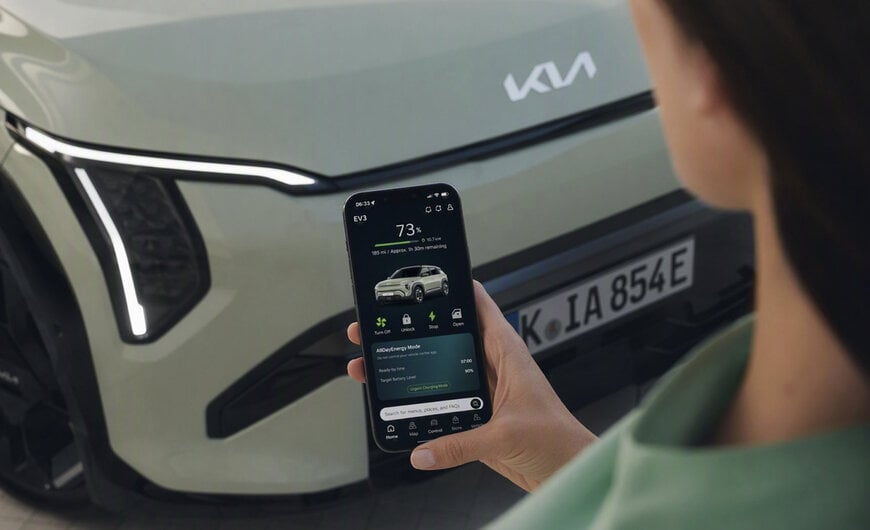
Managing peak electricity demand and maximizing renewable energy utilization requires distributed energy storage solutions that can dynamically balance load requirements. Addressing this infrastructure challenge, Hyundai Motor Group has launched AllDayEnergy, a unified global Vehicle-to-Everything (V2X) software platform designed to synchronize electric vehicle battery capacity with localized power grids and residential energy systems.
Engineering Context
As electric vehicle adoption increases globally, power distribution networks face unprecedented load fluctuations, necessitating intelligent load-shifting and decentralized energy storage mechanisms. Bidirectional charging technology allows high-voltage automotive batteries to transition from static power consumers to active, mobile energy storage units. This capability mitigates electrical grid stress during peak consumption hours and provides localized backup power during infrastructure outages, transforming the vehicle into a functional node within a smart energy ecosystem.
Technical Explanation
The software architecture connects the vehicle's onboard bidirectional charger with external utility energy management systems via the manufacturer's mobile application telemetry. The platform initially executes V1G smart charging protocols, which dynamically adjust vehicle charging schedules and load rates in response to real-time electricity pricing, grid frequency data, and user parameters. Subsequent operational phases incorporate Vehicle-to-Grid (V2G) capabilities, enabling the vehicle to discharge stored direct current back into the municipal grid via compatible inverters. The system also supports Vehicle-to-Home (V2H) protocols, which isolate the residential electrical circuit to supply continuous backup power directly from the vehicle battery during grid failures.
Product Relevance
By consolidating regional energy pilot programs into a standardized global framework, the system provides a uniform interface for managing distributed energy resources across different markets. "This platform allows customers to seamlessly optimize their energy usage, reduce their energy costs, and contribute to grid sustainability," stated Woong Tae Hwang, Vice President and Head of the EV Energy Strategy Group at Hyundai Motor Group. This integration shifts automotive energy systems toward active utility participation, benefiting both residential power management and broader utility grid balancing requirements.
Real-World Applications
The centralized V2X platform builds upon established operational infrastructure, including V2G frequency regulation testing in Jeju, South Korea, and dynamic price-optimized smart charging deployments in the Netherlands. In the United States, the underlying V2H emergency backup power protocols have been utilized to maintain residential power during wildfire-induced grid outages. Access to these energy routing protocols is integrated directly into Hyundai and Kia telematics applications, which began their initial rollout in the UK market via the Kia App during the second quarter of 2026, with subsequent expansions scheduled for European, U.S., and Korean markets.
Additional Context
This section details technical specifications and competitive benchmarking not included in the original product announcement.
The deployment of standardized V2X capabilities aligns with evolving ISO 15118-20 engineering standards, which define the communication interface for bidirectional power transfer between electric vehicles and supply equipment. In the competitive landscape of automotive energy management, similar distributed energy ecosystems are being advanced by Tesla, through its integration of vehicles with Powerwall and virtual power plant networks, and the Volkswagen Group, which has begun incorporating V2H functions into its MEB-platform vehicles. Effective V2G implementation requires the deployment of DC bidirectional wallboxes or specialized AC onboard chargers capable of precise phase-synchronization with the local electrical grid to ensure grid code compliance and prevent reverse power flow disruptions.
Edited by Maria Brueva, Induportals editor – adapted by AI.
www.hyundaimotorgroup.com
