
www.auto-innovations.net
03
'26
Written on Modified on
Lithium-Ion Battery Pack for Low-Voltage Electric Vehicle Systems
FORVIA HELLA launches an integrated subsystem combining lithium-ion cells and a battery management system for redundant power supply in hybrid and electric vehicles.
www.hella.com
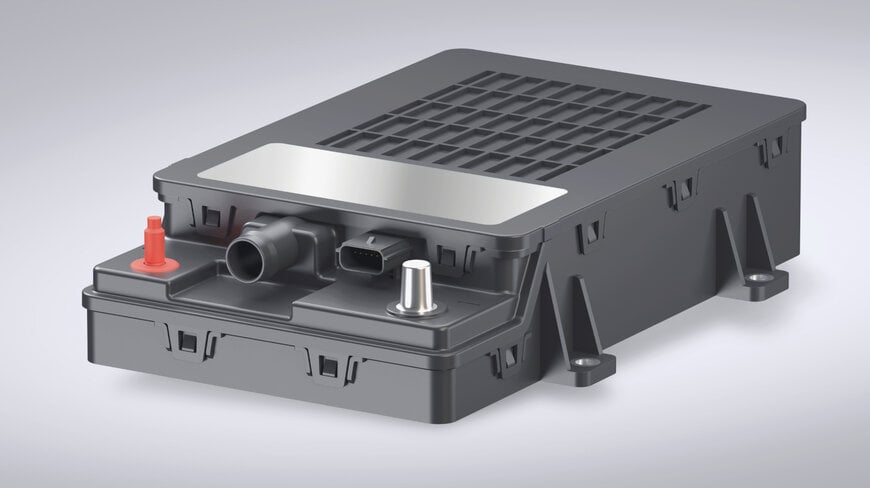
The international automotive supplier has completed the series development of a 12-volt lithium-ion battery pack that ensures the low-voltage power supply in electrified vehicle platforms. The technical solution targets the automotive industry and addresses the system integration of safety-relevant consumers in modern vehicle architectures.
Redundant Energy Architectures in Electric Vehicles
Electric and hybrid vehicles require a stable 12-volt power supply for driver assistance and infotainment systems. The electrical system also serves as a redundant safeguard for safety-critical functions such as steering and braking systems in the event of a primary power grid failure. In combination with a high-voltage converter, the new battery pack guarantees a redundant energy supply that meets the requirements of the ASIL D functional safety level. The DC/DC converter acts as the primary source from the high-voltage system, while the 12-volt battery pack takes over the uninterrupted power supply during voltage drops. Series orders in the low to mid-three-digit million euro range have already been received for this system architecture, with the production ramp-up scheduled for the summer of the coming year in China.
System Integration and Measurement Algorithms
The physical consolidation of lithium-ion cells and the battery management system into a single subsystem reduces the required installation space within the vehicle body. Compared to conventional lead-acid batteries, lithium-ion technology reduces component weight by approximately 20 percent. For intelligent energy management, the system utilizes multidimensional algorithms that continuously record current, voltage, and temperature parameters. These measurement data enable the calculation of the state of charge (SoC) and the state of health (SoH) under real operating conditions throughout the entire life cycle of the cell.
Provider of Integrated System Solutions
The consolidation of system components aims to reduce hardware interfaces during vehicle production. Sebastian Keils, Head of Global Product Center Energy Management of the Electronics Business Group at FORVIA HELLA, explains the technical approach: "We not only deliver high-performance key components but are also providers of integrated system solutions in energy management – supported by our decades of experience in battery electronics." Regarding the parallel provision of the battery pack and the voltage converter, he adds: "Since we have both key products in our portfolio and can deliver them to our customers from a single source, we also support our customers with a comprehensive understanding of the system. This allows manufacturers to implement robust architectures and ensure a stable energy supply for safety-critical functions through a complete solution at the overall system level."
Additional Context
This section details technical specifications and competitive benchmarking not included in the original product announcement
The transition from lead-acid accumulators to lithium-ion technology in the 12-volt electrical system reflects an industry-wide technology shift in electromobility. Competing suppliers such as Bosch and Clarios offer comparable 12-volt lithium-ion batteries specifically designed for functional safety (ASIL) in highly automated and electrified vehicles. While conventional AGM (Absorbent Glass Mat) batteries exhibit limited cycle stability, lithium-ion chemistry delivers a higher energy density and a more stable voltage level to buffer the short-term peak loads of steering and braking systems without delay in the event of a high-voltage grid failure. The system from FORVIA HELLA falls into this benchmark category, where the physical integration of the battery management system (BMS) at the cell level simplifies the system architecture for automobile manufacturers and eliminates the need for additional external control units for battery diagnostics.
Edited by Maria Brueva, Induportals editor – adapted by AI.
www.hella.com
